A featured contribution from Leadership Perspectives, a curated forum for energy sector leaders across utilities, oil and gas, and power generation, nominated by our subscribers and vetted by the Energy Business Review Editorial Board.
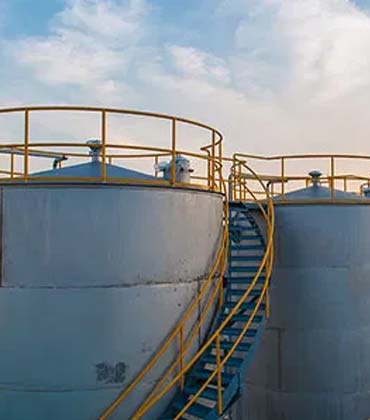
Energy storage terminals face changing infrastructure requirements as operators accommodate conventional petroleum products alongside alternative fuels. Existing facilities must account for differences in storage conditions and material handling requirements, while investment decisions increasingly involve automation and equipment reliability. These challenges will feature at ATTE 2027, the Asia Tank & Terminal Expo, scheduled for April 14 to 16, 2027, in Singapore.
The exhibition will bring together tank storage operators and energy infrastructure developers to examine technologies supporting terminal modernization. Engineering contractors and equipment manufacturers will participate in discussions concerning facility development and maintenance. The event will cover conventional oil storage alongside infrastructure requirements associated with emerging energy applications.
Alternative fuel storage will receive particular attention as the industry considers facilities capable of handling hydrogen and ammonia. Methanol and sustainable aviation fuel infrastructure will also feature in the exhibition's scope. These products present different engineering considerations for storage systems, influencing decisions about equipment selection and terminal design.
Liquefied natural gas infrastructure will form another area of discussion, reflecting its role in energy storage and transportation. Carbon capture, utilization and storage technologies will also be covered, connecting terminal infrastructure development with broader changes in energy management. Marine logistics and bunkering applications will provide additional perspectives on the relationship between storage facilities and energy transportation.
Terminal automation presents another investment consideration for infrastructure operators evaluating equipment performance and facility efficiency. The exhibition will address digital monitoring technologies and robotics, including their applications in inspection activities. Non-destructive testing will receive attention alongside corrosion management, reflecting the importance of identifying equipment deterioration before it affects infrastructure reliability.
Asset integrity will remain central to discussions about extending the useful life of existing terminal infrastructure. Technical presentations will examine tank engineering and construction requirements, while product transfer systems will feature in conversations about equipment safety. The program will also provide opportunities for engineering consultants and technology providers to exchange practical knowledge about infrastructure maintenance.
Energy Business Review is serving as a media partner because the exhibition addresses energy infrastructure modernization and asset management, subjects central to its editorial coverage. Its readership of energy executives and industry decision-makers can benefit from discussions about terminal automation and alternative fuel storage requirements. Editorial reporting can extend these technical exchanges beyond Singapore by examining their implications for infrastructure investment and maintenance practices.
The Singapore exhibition will provide an opportunity to examine how terminal operators are preparing existing facilities for changing energy requirements. Its focus on equipment reliability and emerging fuel infrastructure reflects the investment decisions facing companies responsible for maintaining energy storage and distribution assets.