A featured contribution from Leadership Perspectives, a curated forum for energy sector leaders across utilities, oil and gas, and power generation, nominated by our subscribers and vetted by the Energy Business Review Editorial Board.
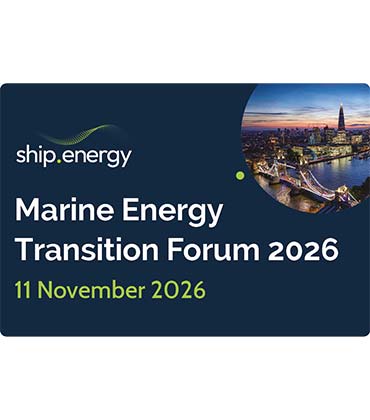
Shipping’s energy transition is entering a stage where commercial execution matters as much as emissions targets. Fuel availability and infrastructure constraints remain central to decisions about fleet investment, while technology developers face questions about whether emerging systems can reach commercial scale. These pressures will frame the Marine Energy Transition Forum (METF) 2026, scheduled for November 11 at Norton Rose Fulbright in London.
The one-day forum will examine how the maritime sector can address barriers across fuel, technology and supporting infrastructure while protecting commercial competitiveness. Its theme, “Reframing the maritime decarbonisation roadmap: addressing fuel, technology and infrastructure bottlenecks,” reflects the practical difficulties that arise when regulation, investment and technology development advance at different speeds.
Regulatory direction will form an important part of the discussion. The event program considers the effectiveness of regional and international measures affecting maritime decarbonisation, alongside the implications of frameworks such as the EU Emissions Trading System and FuelEU Maritime. The forum will also examine how regulatory developments influence fuel procurement and wider business decisions across shipping.
Fuel choice presents another constraint because the industry is preparing for a multi-fuel environment while availability and supporting infrastructure continue to develop. METF 2026 will consider investment requirements and supply chains alongside the infrastructure needed to support different marine energy pathways. Technology discussions will assess the commercial readiness of alternative propulsion systems and vessel optimization approaches. Batteries, carbon capture and wind propulsion are also included within the program.
Ports occupy a particularly important position in this transition because vessel technology cannot advance independently of shoreside energy systems. Discussions will consider new fuel infrastructure and shore power, while examining how ports can develop energy clusters that support changing vessel requirements. The forum also brings shipowners and fuel suppliers into discussions with technology developers, policymakers, financiers and port stakeholders.
Energy Business Review is serving as a media partner because the forum intersects directly with its coverage of energy sustainability, renewable energy and energy infrastructure. Its readership includes executives and technical professionals dealing with energy transition strategies and infrastructure modernization. Coverage of METF 2026 can carry relevant discussions beyond the London venue by examining how maritime fuel demand, infrastructure investment and emerging energy technologies connect with developments across the wider energy sector.
The decisions facing shipping now extend beyond identifying lower-emission alternatives. Progress depends on whether fuels can be supplied at useful scale and whether infrastructure can develop alongside vessel technology. METF 2026 places those constraints at the center of the discussion, providing a setting to assess where the maritime decarbonisation roadmap may require adjustment as the sector moves toward implementation.